



According to the Tây Ninh Provincial Department of Health, the province has significant potential and advantages in terms of natural conditions, land, and raw materials for the cultivation of a wide variety of medicinal plants.

On September 22, at the Science and Technology Experimental Farm—part of the Tây Ninh Province Center for Science, Technology, and Innovation, the Tây Ninh Provincial Department of Science and Technology organized the 3rd Science and Technology Supply-Demand Matching Demonstration Workshop of 2026, with the theme “Application of Technology and Digital Transformation in Optimizing the Value Chain of Medicinal Herbs in Tây Ninh Province.”
The workshop was attended by leaders from local departments and agencies, experts, scientists, and businesses in the agricultural sector, as well as relevant agencies and organizations. This event provided an opportunity for participants to discuss practical needs, research capabilities, technological solutions, and the potential for establishing partnerships in the development of raw material production areas, processing, quality improvement, and the commercialization of medicinal products within the province.
According to the Tây Ninh Provincial Department of Health, the province has significant potential and advantages in terms of natural conditions, land, and raw material sources for the cultivation of a diverse range of medicinal plants. This is not only a direction that contributes to the diversification of agricultural production but also opens up opportunities for the development of high-value-added products linked to the processing industry, healthcare, and market expansion.
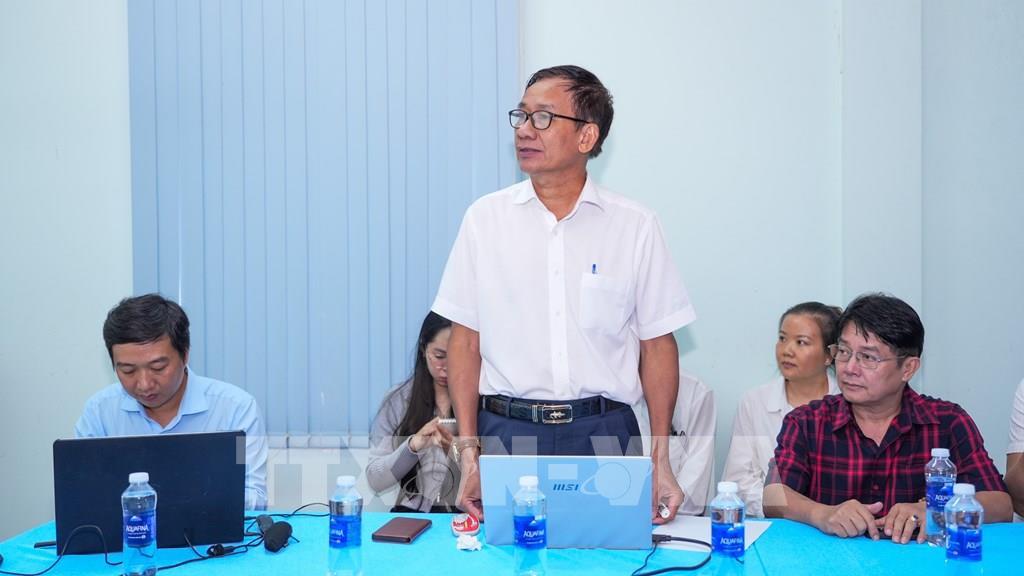
However, for the medicinal herbs sector to truly become a valuable and competitive industry, Tây Ninh needs to gradually transition from traditional production and processing methods to a modern, integrated, standardized, and sustainable approach. In this process, science, technology, innovation, and digital transformation have been identified as key tools for enhancing the efficiency of the entire value chain.
In response to this practical need, the workshop serves as a forum connecting regulatory agencies, businesses, cooperatives, production facilities with universities, research institutes, experts, and scientists, thereby identifying technological solutions suited to local production conditions and development needs.
Based on practical production experience, Ms. Bui Phuoc Hoa, Director of Hoan Ngoc 7 Nga Tay Ninh Limited Liability Company, noted that businesses today not only need technological solutions to create commercial products but also have a significant need for basic and in-depth research aimed at standardizing raw materials and products; for medicinal herbs, merely producing marketable products is not enough. Businesses need to collaborate with research institutes, universities, and scientists to conduct more in-depth research on the composition, active ingredient content, and standards of raw materials and semi-finished products. This forms the foundation for products to become more deeply integrated into the supply chains of major pharmaceutical companies.
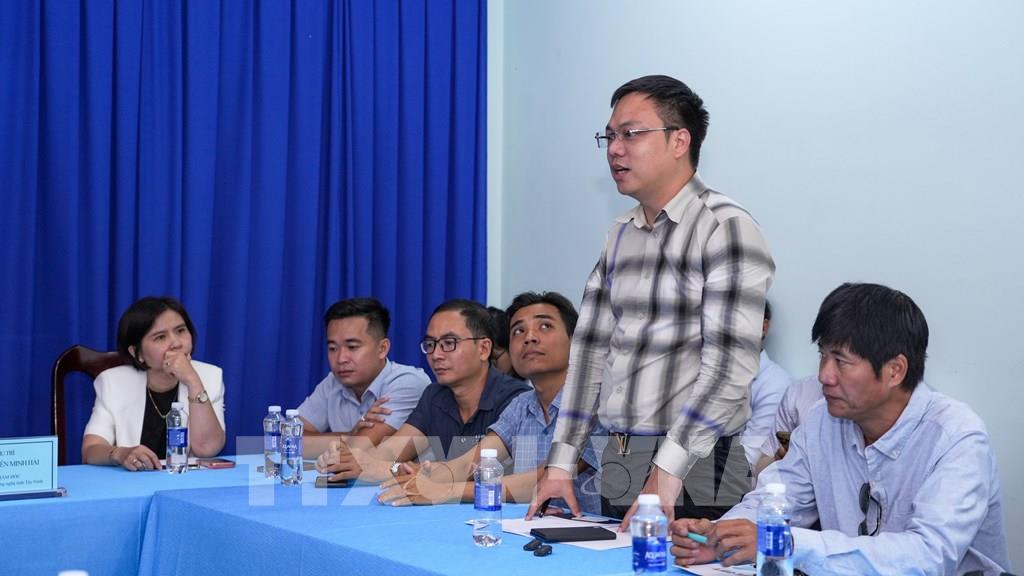
Ms. Bui Phuoc Hoa suggested that both basic and applied research should continue to be pursued, creating conditions for businesses to collaborate on in-depth research into medicinal herbs. Businesses are willing to invest in research if there are specific research topics, and they hope that government support policies will provide additional incentives for them to increase their investment levels.
Mr. Tran Viet Thanh, General Director of Life Gift Vietnam Pharmaceutical Company, said that the company is particularly interested in developing products with a local flavor and in utilizing agricultural byproducts to create commercial products. He also expressed a desire to gain access to processes, costs, and research topics to facilitate collaboration with research institutions.
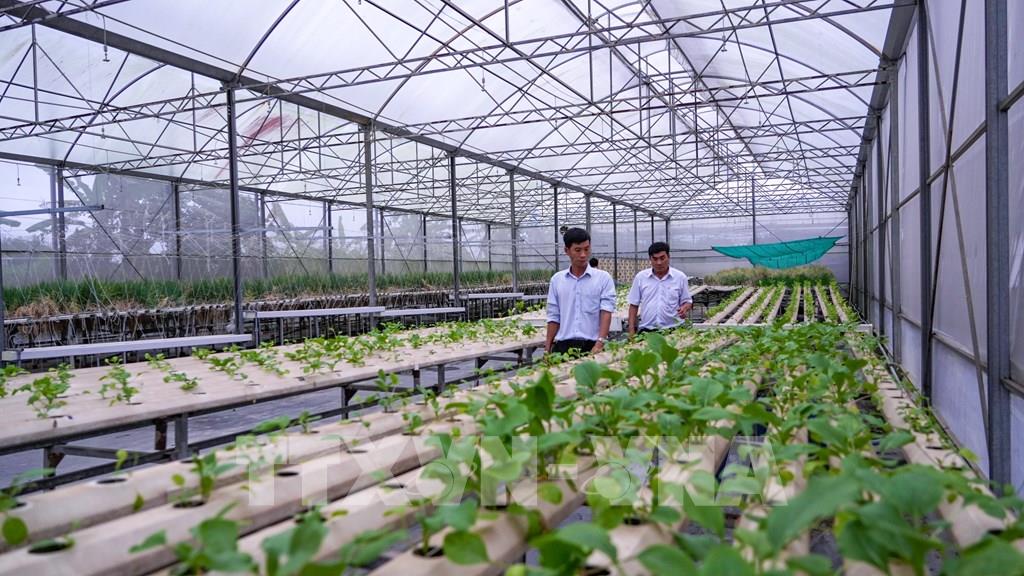
Associate Professor Nguyen Thi Linh Tuyen, Ph.D., Chair of the Department of Pharmacy at Hong Bang International University, stated that collaboration between businesses, medicinal herb growers, and universities is essential to establishing a value chain from raw materials to finished products and evaluating product effectiveness. If quality standards are established, key active ingredients are identified, and analytical certifications are obtained for the raw materials, the value of the products can be significantly enhanced. Once the quality of medicinal herbs is determined for each growing region, further research can identify regions with high active ingredient content, thereby supporting the selection and development of suitable growing areas.
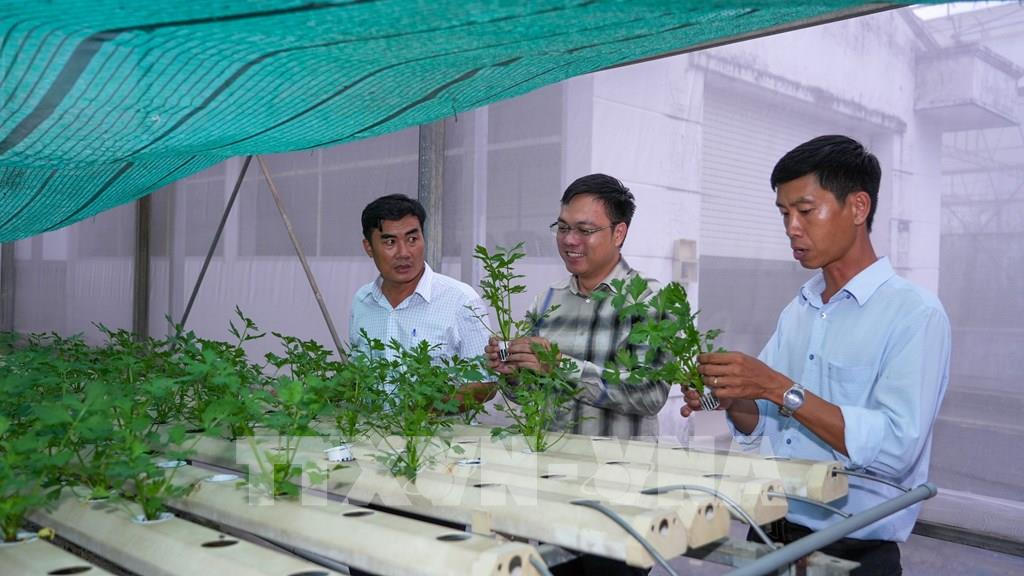
Mr. Nguyen Minh Hai, Deputy Director of the Tay Ninh Province Department of Science and Technology, noted that through the presentations and discussions, the workshop helped bridge the gap between the practical needs of businesses and the research capabilities and technology supply capacity of universities, experts, and science and technology organizations. This also serves as a foundation for the Department of Science and Technology to continue researching, synthesizing, and implementing activities to connect technology supply and demand, support technological innovation, and promote the application of science, technology, and innovation within the province in the coming period.
Minh Phu/vnanet.vn
Related Posts