



Vietnam has a rich and distinctive tradition of traditional medicine. To harness these values within the modern healthcare system, the integration of training, research, and production is a key factor in creating effective and highly competitive products.
According to Decision No. 1976/QD-TTg dated October 13, 2026, issued by the Prime Minister approving the Strategy for the Development of Traditional Medicine through 2030, with a vision toward 2045, the health sector aims to achieve self-sufficiency of at least 20% of domestic demand for medicinal herbs; the value of industrial production of medicinal herbs, traditional medicines, and herbal medicines is to increase by at least 10% annually. To achieve these goals, it is necessary to establish a seamless connection from raw material development, research, and processing to production.
The challenge is not merely to expand cultivation areas or increase production volumes. Medicinal herbs must have a clear origin and meet specific quality standards; herbal formulas must be researched and evaluated; and production processes must yield consistent, verifiable, and traceable products.
Integrating education and scientific research with practical needs
Human resource development is considered the first step in laying the foundation for the modernization of traditional medicine. Only with a standardized workforce can scientific research activities be carried out in the right direction, gradually addressing the challenge of standardizing medicinal herbs and optimizing the effectiveness of actual treatments.
Speaking on this issue, M.S., M.D. Nguyen Duy Tai, Head of the Department of Traditional Medicine at the School of Medicine and Health Sciences, Ho Chi Minh City University of Technology (HUTECH), believes that today’s students need a solid foundation in traditional medicine, while also being equipped with modern medical knowledge and research methods. This foundation helps practitioners understand the scope of application, evaluate information, and apply knowledge appropriately.
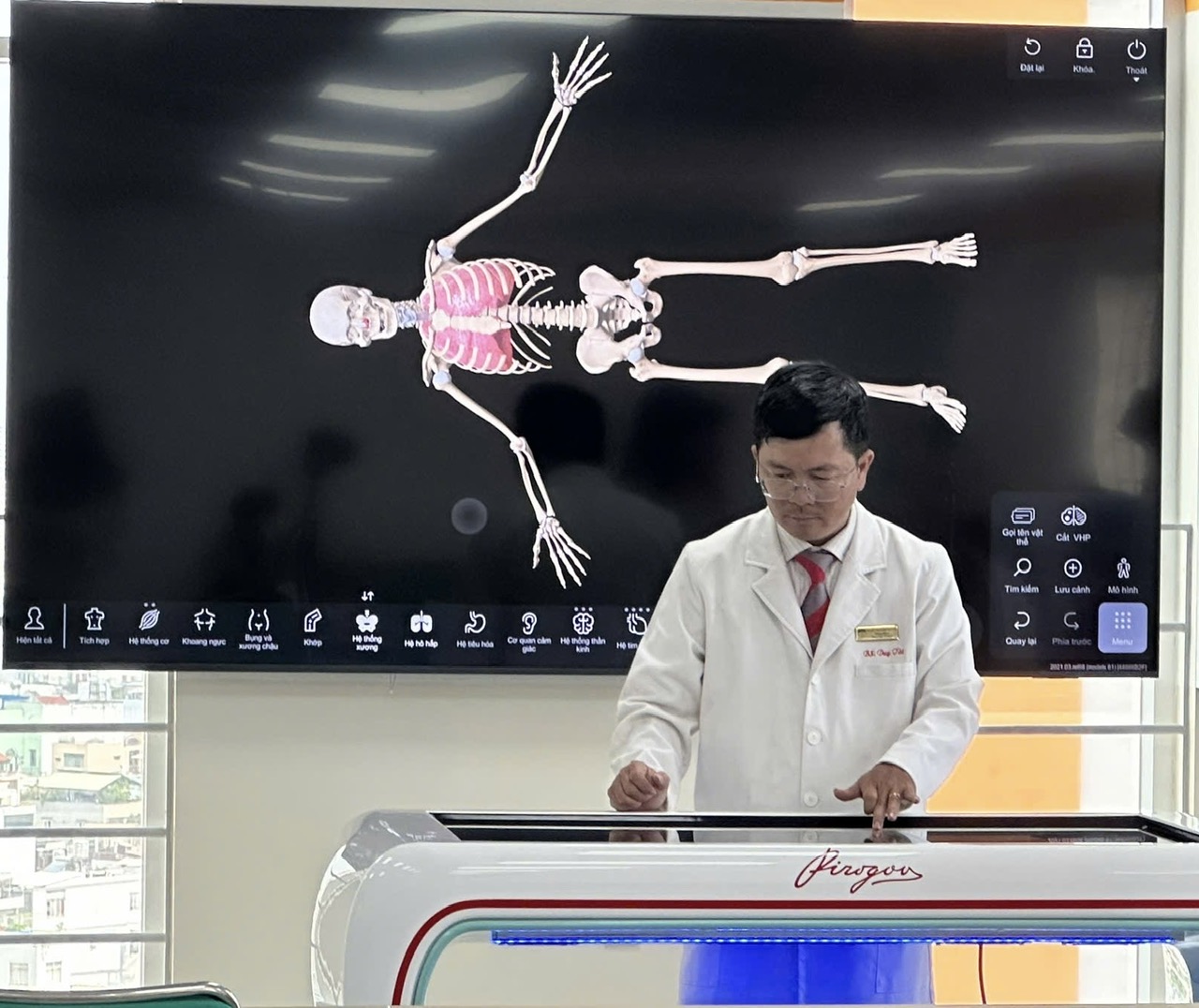
Nguyen Duy Tai, M.S., M.D., emphasized that the current training program requires students to have a solid grasp of traditional medicine combined with modern medical thinking and evidence-based clinical practice.
From the perspective of research and application, Dr. Phan Thien Vy, Associate Chair of the Department of Pharmacy at Nguyen Tat Thanh University, believes that research should be grounded in practical issues, select appropriate methods, and establish evaluation criteria. In addition to raw material quality, stability, standardizability, and manufacturing conditions must also be taken into account.
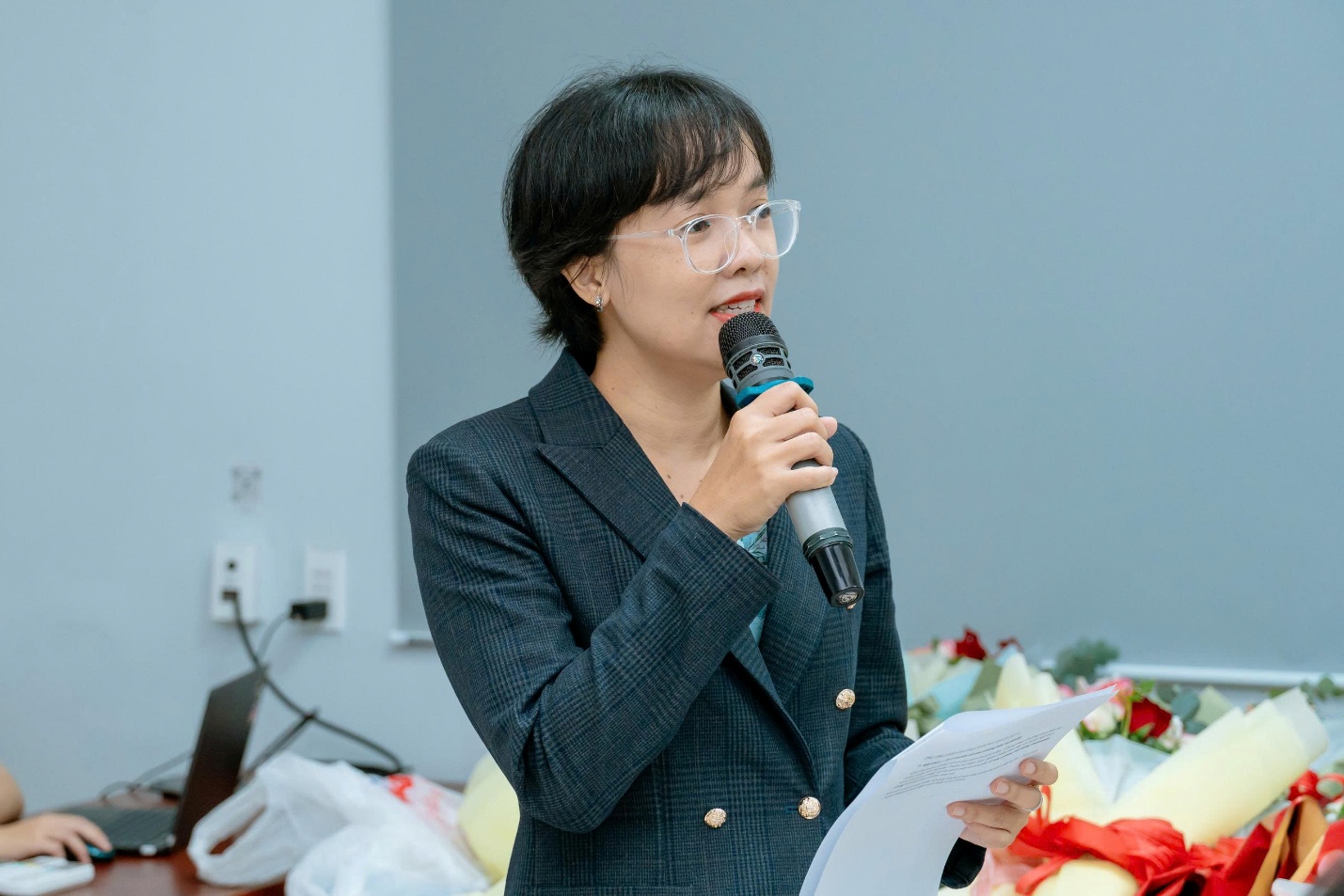
Dr. Vy added that universities, scientists, and businesses should discuss objectives, technical requirements, and potential applications early on. When quality criteria, raw material specifications, and production scale are considered from the outset, the research team can be more proactive in selecting raw materials, developing formulations, refining processes, and guiding testing procedures and documentation.
Breakthroughs in Formulation Technology and Manufacturing Standards
From a business perspective, Mr. Tran Viet Thanh, General Director of Life Gift Vietnam Pharmaceutical Co., Ltd., believes that the abundant supply of medicinal herbs and the wealth of traditional folk remedies are the strengths of Vietnamese traditional medicine, providing a foundation for the research and development of modern health care products.
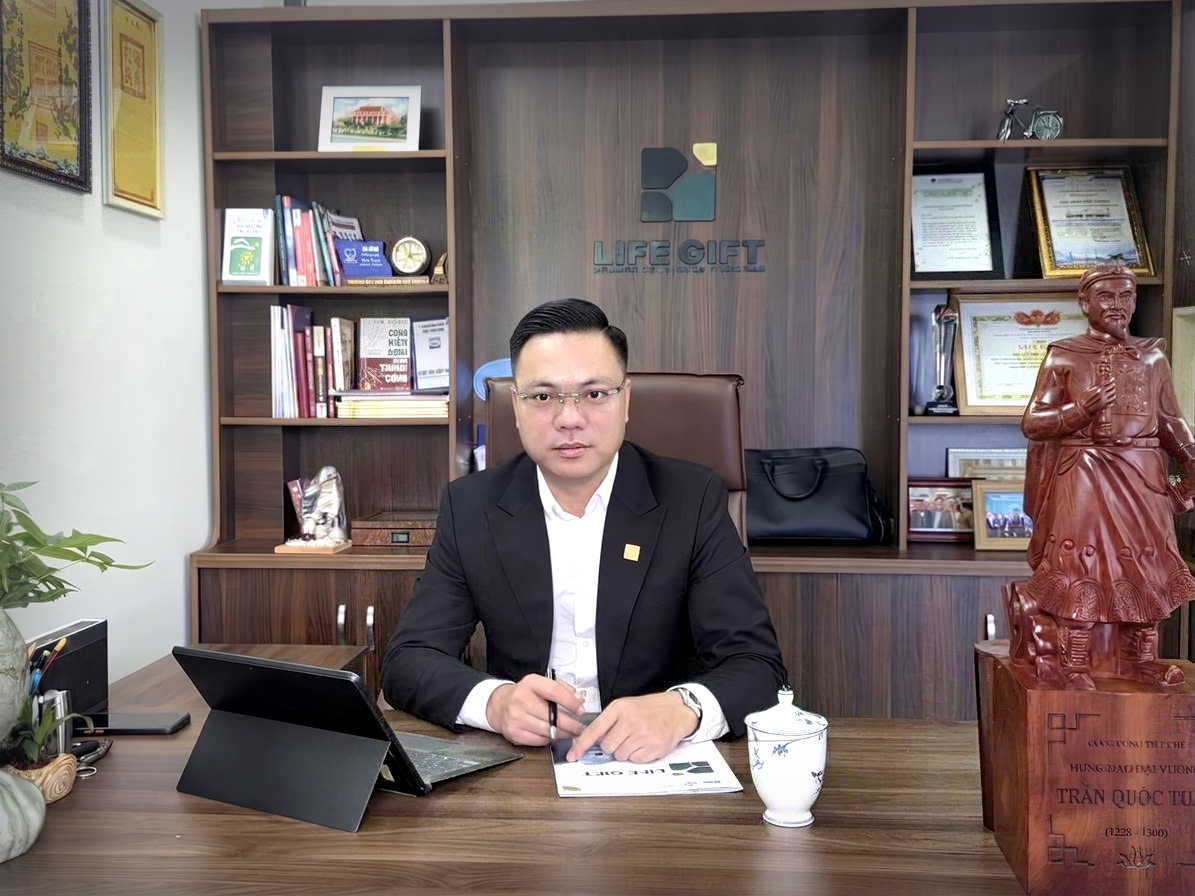
According to Mr. Thanh, decoctions are inconvenient because patients must prepare, boil, and store them. Switching to dosage forms such as capsules, tablets, granules, or oral solutions simplifies the process of use and makes them easier to store and carry.
However, this process requires careful research into formulations and processes, as well as strict quality control. The raw herbal materials must be identified and traceable; the extraction, concentration, drying, and blending steps must be carefully controlled to ensure consistency across production batches.
Mr. Thanh emphasized that Good Manufacturing Practice (GMP), testing, and process validation are the foundation for maintaining quality. In addition, each product must have appropriate data on quality, safety, and efficacy in accordance with regulations.
Combining the value of traditional herbal medicine with pharmaceutical technology and scientific evidence will help improve the quality and competitiveness of traditional Vietnamese medicine.
The development of traditional medicine requires coordinated efforts across training, research, the development of raw material production areas, and manufacturing. Each stage must be standardized to ensure that research findings can be applied in practice and meet requirements for quality and scale.
Collaboration among regulatory agencies, educational institutions, scientists, businesses, and suppliers will lay the foundation for the sustainable development of traditional medicine.
According to Kiến Văn (Arttimes).
Related Posts